10 Reasons You Should Never Miss Your Regular Dental Check-Ups
Regular dental check-ups often fall to the bottom of a busy to-do list. When life gets hectic, it's easy to postpone an appointment, especially if nothing hurts. Yet preventive dental care plays a central role in maintaining not only your oral health, but your overall well-being. These visits are about far more than a quick cleaning. They are opportunities to identify concerns early, protect your smile, and avoid complications that become more disruptive and costly over time.
Skipping routine appointments can allow small, manageable issues to quietly progress into larger problems. From gum health to bite alignment, your dentist monitors details that are easy to miss at home. Below are several important reasons why keeping up with regular dental check-ups is a decision your future self will appreciate.
1. Detect Dental Problems Early
One of the most valuable aspects of routine dental visits is early detection. Cavities, enamel erosion, and minor fractures often begin without noticeable symptoms. By the time pain appears, the issue may already require extensive treatment.
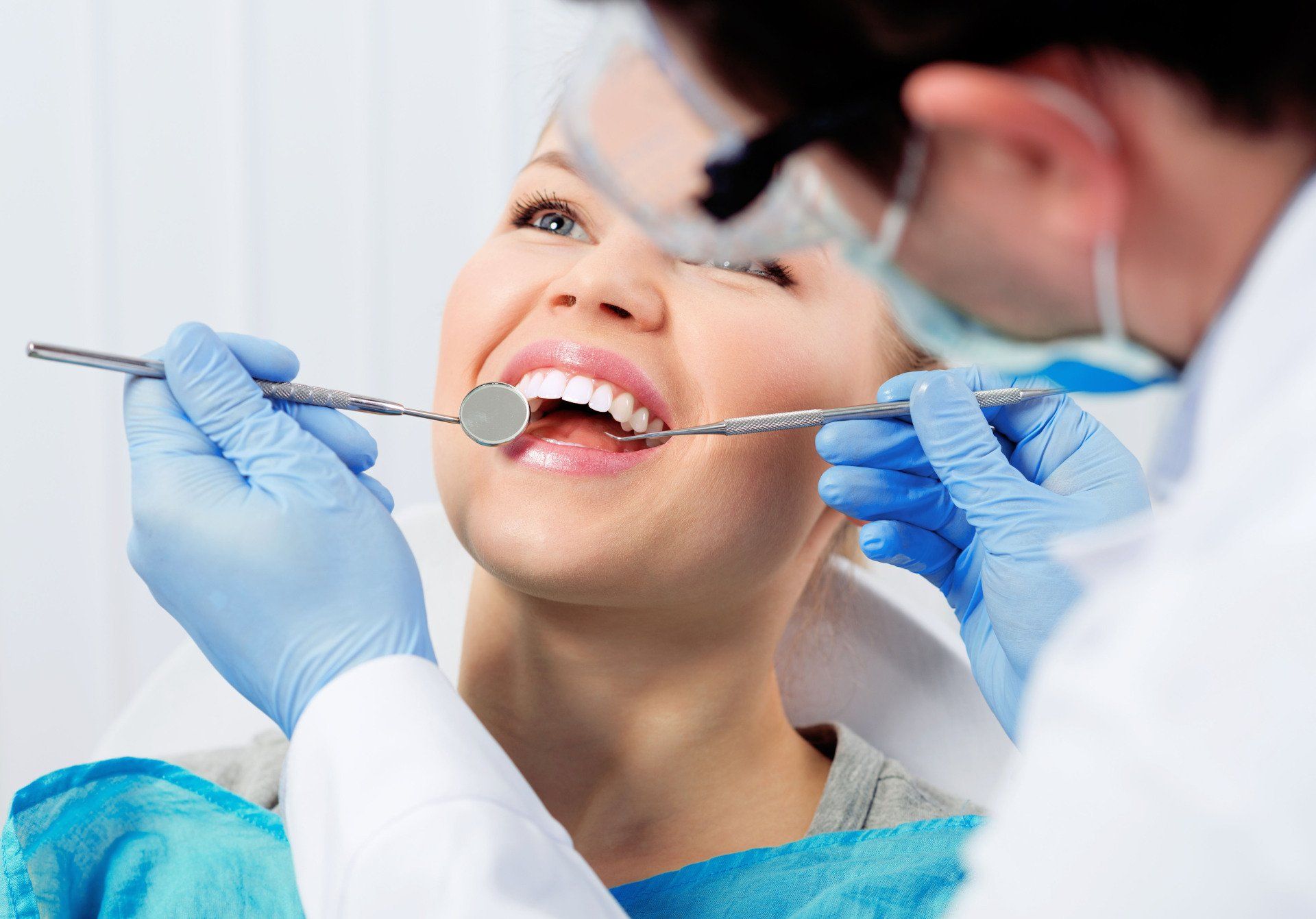
During a check-up, your dentist examines areas that are hard to see or feel on your own. Early detection allows for conservative treatment options that preserve more of your natural tooth structure. For example, identifying decay early may prevent the need for more involved procedures like a dental crown, which is typically used when damage has progressed beyond a simple filling.
Regular monitoring also helps track changes over time. Comparing X-rays and exam notes from previous visits allows your dental provider to spot subtle trends that might otherwise go unnoticed.
2. Prevent Gum Disease Progression
Gum disease is one of the most common oral health conditions, and it often develops silently. According to Forbes, 42% of adults in the United States have gum disease. This statistic highlights how widespread the issue is, even among people who brush and floss regularly.
Routine cleanings remove plaque and tartar that daily brushing can't fully eliminate. These deposits irritate the gums and create an environment where bacteria thrive. Left untreated, gum disease can lead to tooth loss and has been linked to systemic health concerns such as heart disease and diabetes.
Dental check-ups allow your provider to assess gum pockets, inflammation, and bleeding. Early-stage gum disease is often reversible with professional cleanings and improved home care. Waiting too long can mean more advanced treatment and longer recovery times.
3. Protect Existing Dental Work
If you've already had dental treatments, routine visits are essential for keeping that work in good condition. Fillings, bridges, and a dental crown all require periodic evaluation to confirm they're still functioning properly.
Over time, normal wear, bite pressure, and changes in the surrounding tooth structure can affect restorations. A crown that once fit perfectly may loosen slightly or develop a small margin gap. During a check-up, your dentist can identify these issues early and address them before they cause decay or discomfort.
Protecting existing dental work helps you avoid repeat procedures. It also extends the lifespan of restorations, saving you time and reducing long-term dental expenses.
4. Maintain Strong and Clean Teeth
Even with diligent brushing and flossing, plaque can accumulate in hard-to-reach areas. Professional cleanings remove hardened tartar that can't be addressed with home tools. This process helps maintain tooth strength and prevents surface damage.
Clean teeth aren't just about appearance. Plaque buildup can weaken enamel and create entry points for decay. Over time, untreated decay may compromise the tooth enough to require structural reinforcement, such as a dental crown.
Regular check-ups also give your dentist the chance to evaluate enamel wear, staining, and sensitivity. These observations can lead to personalized recommendations that protect your teeth between visits.
5. Monitor Bite Alignment and Jaw Health
Your bite plays a significant role in your overall oral health. Misalignment or uneven pressure can lead to cracked teeth, jaw pain, and headaches. Many people aren't aware of bite issues until secondary symptoms appear.
During a dental exam, your provider checks how your teeth come together and looks for signs of grinding or clenching. Addressing bite concerns early can prevent fractures and reduce strain on your jaw joints.
In cases where teeth have weakened or shifted, treatment planning may include restorative options like a dental crown to restore balance and protect affected teeth. Monitoring alignment at regular visits keeps these concerns from escalating.
6. Support Overall Health Awareness
Oral health is closely connected to general health. Infections in the mouth can influence inflammation throughout the body. Conditions such as diabetes, osteoporosis, and certain autoimmune disorders often show early signs in the oral cavity.
Dental check-ups provide an additional layer of health monitoring. Dentists are trained to recognize unusual lesions, swelling, or color changes that may warrant further evaluation. Early identification can lead to timely referrals and better health outcomes.
Maintaining oral health also reduces the bacterial load that can contribute to systemic inflammation. Consistent care supports a healthier body as a whole.
7. Avoid More Extensive Dental Procedures
Preventive care is often simpler, faster, and less stressful than corrective treatment. When issues are addressed early, they typically require less intervention. Skipping routine visits increases the risk that problems will advance unnoticed.
For instance, untreated decay can spread deep into a tooth, weakening its structure. At that stage, a dental crown may be necessary to restore function and protect the remaining tooth. While crowns are effective solutions, they are often avoidable with timely care.
Regular check-ups reduce the likelihood of emergency visits and unexpected dental pain. They also allow for planned treatment rather than urgent decision-making.
8. Receive Personalized Oral Care Guidance
Everyone's mouth is different. Factors such as diet, medications, medical history, and lifestyle all influence oral health. Routine dental visits allow for personalized advice based on your specific needs.
Your dentist can recommend brushing techniques, flossing tools, or preventive treatments tailored to you. They may also suggest changes to protect vulnerable teeth or restorations, including a dental crown, from excessive wear or damage.
This customized guidance helps you maintain better oral health between appointments and empowers you to take an active role in your care.
9. Build a Consistent Dental History
Establishing a routine with regular dental check-ups creates a detailed record of your oral health over time. This history is invaluable when making treatment decisions or identifying changes that occur gradually.
A consistent dental record helps your provider compare past and present conditions accurately. It also supports more precise treatment planning if restorative care becomes necessary, such as placing a dental crown to address structural concerns.
Continuity of care builds trust and communication, making each visit more efficient and comfortable.
10. Preserve Confidence in Your Smile
Your smile plays a significant role in how you present yourself. Healthy teeth and gums contribute to confidence in both personal and professional settings. Regular dental visits help keep your smile looking and feeling its best.
Cleanings remove surface stains, while exams catch issues that could affect appearance. Addressing concerns early prevents visible damage that may require more noticeable restorations later on.
Knowing your oral health is being monitored provides peace of mind and reinforces positive habits that support a confident smile.
Regular dental check-ups are an investment in your long-term health, comfort, and confidence. They allow for early detection, protect existing dental work, and reduce the likelihood of more extensive procedures down the road. From gum health to bite alignment, these visits support far more than just clean teeth.
If it's been a while since your last appointment, now is the time to take action. We encourage you to schedule your next check-up with Lake Guntersville Dentistry LLC and make preventive care a consistent part of your routine. Your future smile will thank you.

Share On: