Teeth Crowns vs. Dental Implants: Which Is Right for You?
When it comes to restoring a damaged or missing tooth, modern dentistry offers a variety of reliable solutions. Two of the most common treatment options are teeth crowns and dental implants. Both can dramatically improve your oral health, appearance, and overall confidence, but choosing between them depends on several factors, including your oral health status, budget, and long-term goals.
If you’re facing the decision between these two treatments, it’s important to understand the differences, benefits, and limitations of each. This guide will break down what teeth crowns and dental implants are, how they work, and what you should consider when deciding which is best suited for your needs.
What Are Teeth Crowns?
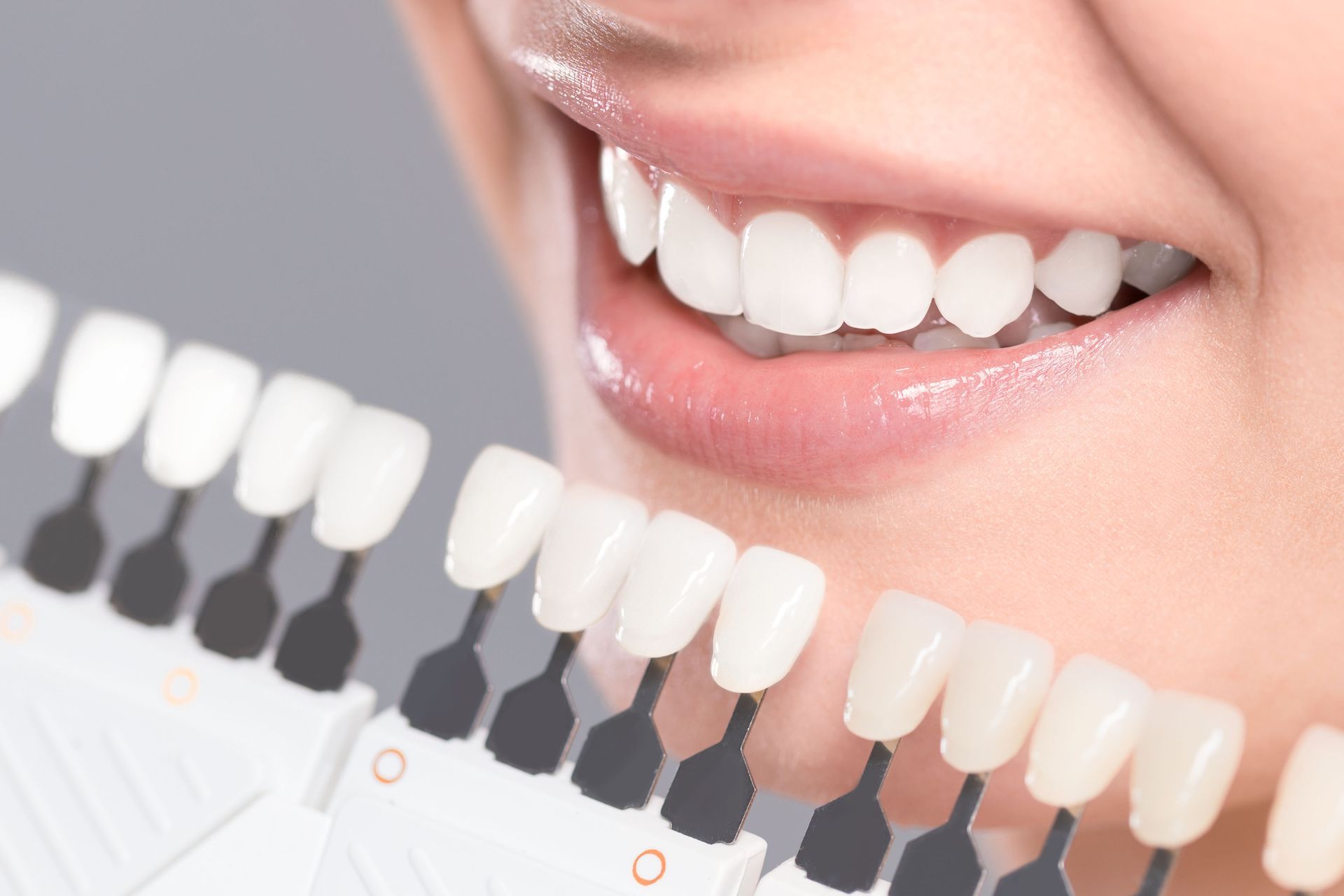
Teeth crowns, also known as dental crowns, are tooth-shaped caps placed over a damaged or weakened tooth to restore its shape, size, strength, and appearance. Crowns are often used after a root canal, to restore a broken tooth or to reinforce a tooth with a large filling.
Typically made from porcelain, ceramic, resin, or metal, crowns are custom-designed to blend with your natural teeth. The process usually involves reshaping the original tooth, taking an impression, and then fitting the crown once it’s fabricated. Temporary crowns may be used during the interim.
Teeth crowns are ideal for people who still have the root structure of their tooth intact but need reinforcement or restoration of the visible part. They can also be used to anchor dental bridges or cover dental implants after placement.
While crowns are incredibly durable, they are not indestructible. Over time, they may need to be replaced due to wear, especially if the underlying tooth becomes compromised again. Nonetheless, with proper care, a high-quality crown can last 10 to 15 years or more, in our professional experience.
What Are Dental Implants?
Dental implants are a more permanent solution for replacing missing teeth. They consist of a titanium post that is surgically inserted into the jawbone, acting as an artificial root. Once the implant fuses with the bone—a process called osseointegration—it provides a solid foundation for a crown, bridge, or even full denture.
This solution is often recommended for patients who have lost a tooth entirely, whether due to injury, decay, or extraction. Because implants integrate with the bone, they help prevent bone loss in the jaw, which commonly occurs after tooth loss.
One of the major benefits of dental implants is their longevity. When properly cared for, implants can last a lifetime. They also function and feel very much like natural teeth, making them a popular choice among patients seeking a permanent and low-maintenance solution.
It’s important to note, however, that not everyone is a candidate for implants. You need to have sufficient bone density and good overall oral health. Some patients may require bone grafting or additional procedures before an implant can be placed. Healing times are also longer with implants compared to crowns, sometimes taking several months from start to finish.
Comparing Procedure and Recovery
The process of getting teeth crowns is generally quicker and less invasive than receiving dental implants. In most cases, a crown can be placed in two visits: one for preparation and one for placement. Some dental practices even offer same-day crowns using CAD/CAM technology.
With implants, the process is more extensive. First, the implant is surgically placed into the jawbone, and the area is allowed to heal for several months to ensure proper integration. Once healed, a crown or prosthetic is attached to the implant.
Recovery time is a big factor to consider. Crowns require little to no downtime, and you can return to your regular activities shortly after the procedure. Implants, on the other hand, involve a surgical healing process that may include swelling, discomfort, and dietary restrictions for a short period.
For those looking for a quicker fix or with medical conditions that may make surgery riskier, teeth crowns are often the more suitable option. But for patients who can commit to the longer timeline and are medically eligible, implants offer a more permanent solution.
Cost Considerations and Insurance Coverage
Another crucial factor to weigh is cost. Teeth crowns are generally more affordable than dental implants, though the price can vary depending on the material used and the complexity of the procedure.
Insurance coverage is also different for each procedure. Many dental insurance plans cover crowns, especially when they are deemed medically necessary. Implants, however, are often considered cosmetic or elective, which means they may not be fully covered.
That said, some insurance plans are evolving to include partial coverage for dental implants, recognizing their long-term health benefits. It’s always best to check with your provider to understand what is and isn’t covered.
For patients who are cost-sensitive or need multiple restorations, the upfront investment for implants can be a challenge. In such cases, crowns or other restorative options like bridges may be more practical. However, it’s important to consider the long-term value—implants, while more expensive initially, may end up being more cost-effective over time due to their durability and minimal maintenance needs.
Which Option Is Right for You?
Choosing between teeth crowns and dental implants ultimately depends on your individual dental situation and goals. If you have a tooth that is damaged but still viable, a crown may be all you need to restore function and appearance. Crowns are also a preferred solution if you are not a candidate for surgery or need a faster recovery.
On the other hand, if your tooth is missing entirely or needs to be extracted, a dental implant provides a more stable and long-lasting solution. Implants are especially advantageous for patients who want to maintain jawbone density and avoid the shifting of adjacent teeth.
According to the American College of Prosthodontists, 120 million Americans are missing at least one tooth. This highlights how common tooth loss is—and why treatments like crowns and implants are so widely sought after. The good news is that modern dentistry offers personalized solutions to fit nearly every need.
In some cases, your dentist may recommend a combination approach. For example, you might receive an implant with a crown placed on top, or crowns as part of a bridge system to replace multiple missing teeth. A comprehensive evaluation with your dentist will help determine the most effective and appropriate treatment plan based on your oral health, lifestyle, and budget.
Teeth crowns and dental implants both offer effective ways to restore your smile, improve function, and enhance overall oral health. Each has its own strengths, and the right choice depends on your specific needs and preferences.
Teeth crowns are excellent for reinforcing existing teeth that have been damaged, decayed, or weakened. They’re more affordable, less invasive, and quicker to complete. Dental implants, while more complex and costly, provide a permanent solution for missing teeth and help preserve jawbone health.
The best way to decide is to consult with your dentist, who can evaluate your oral health and recommend the most suitable option for you. No matter which path you choose, taking the step to restore your smile is an investment in your health, appearance, and confidence.
Your smile deserves the best care possible—whether through teeth crowns, dental implants, or a combination of both. The key is making an informed decision with the guidance of a trusted dental professional.
Ready to restore your smile with confidence? Contact Lake Guntersville Dentistry LLC today to schedule a personalized consultation and find out whether teeth crowns or dental implants are the right choice for your oral health needs.




Share On: